

.

FREE SHIPPING
Our Door to Your Door Without Any Trouble

COD AVAILABLE
You Can Pay Amount at The Time On Delivery

Buy from Amazon
We are Amazon’s Choice & Prime Tag Achiever. Visit
Handmade Collection
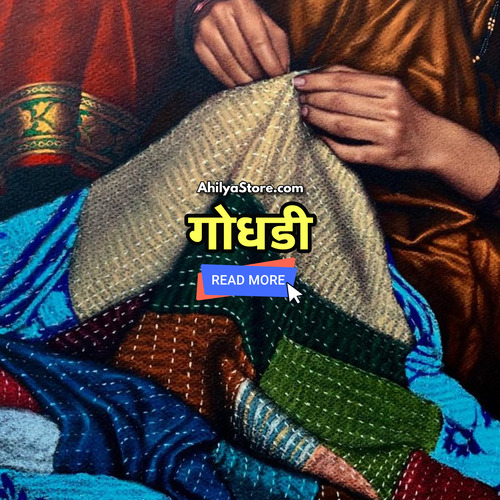
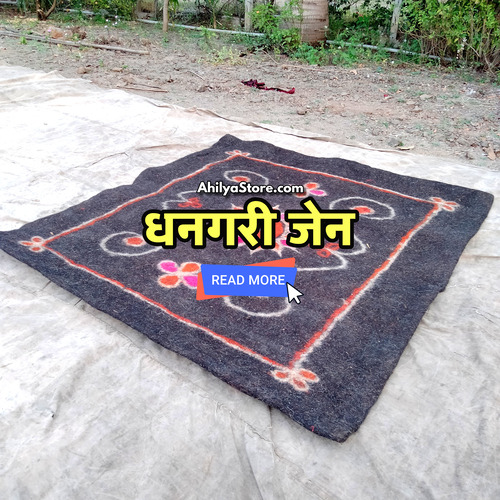
Handmade Premium Ghongadi Collection
100% Sheep Wool | No Chemical | No Polyester
-
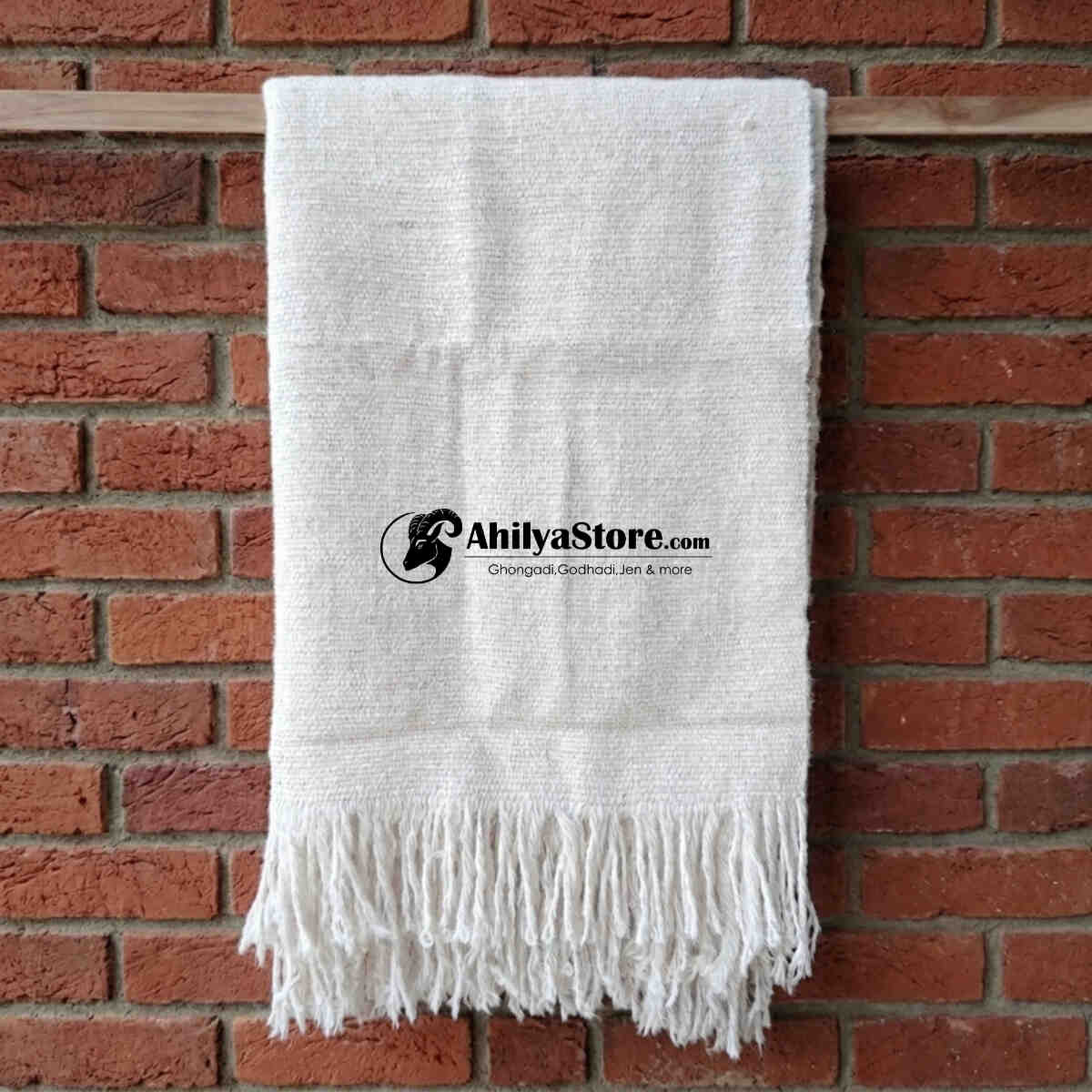
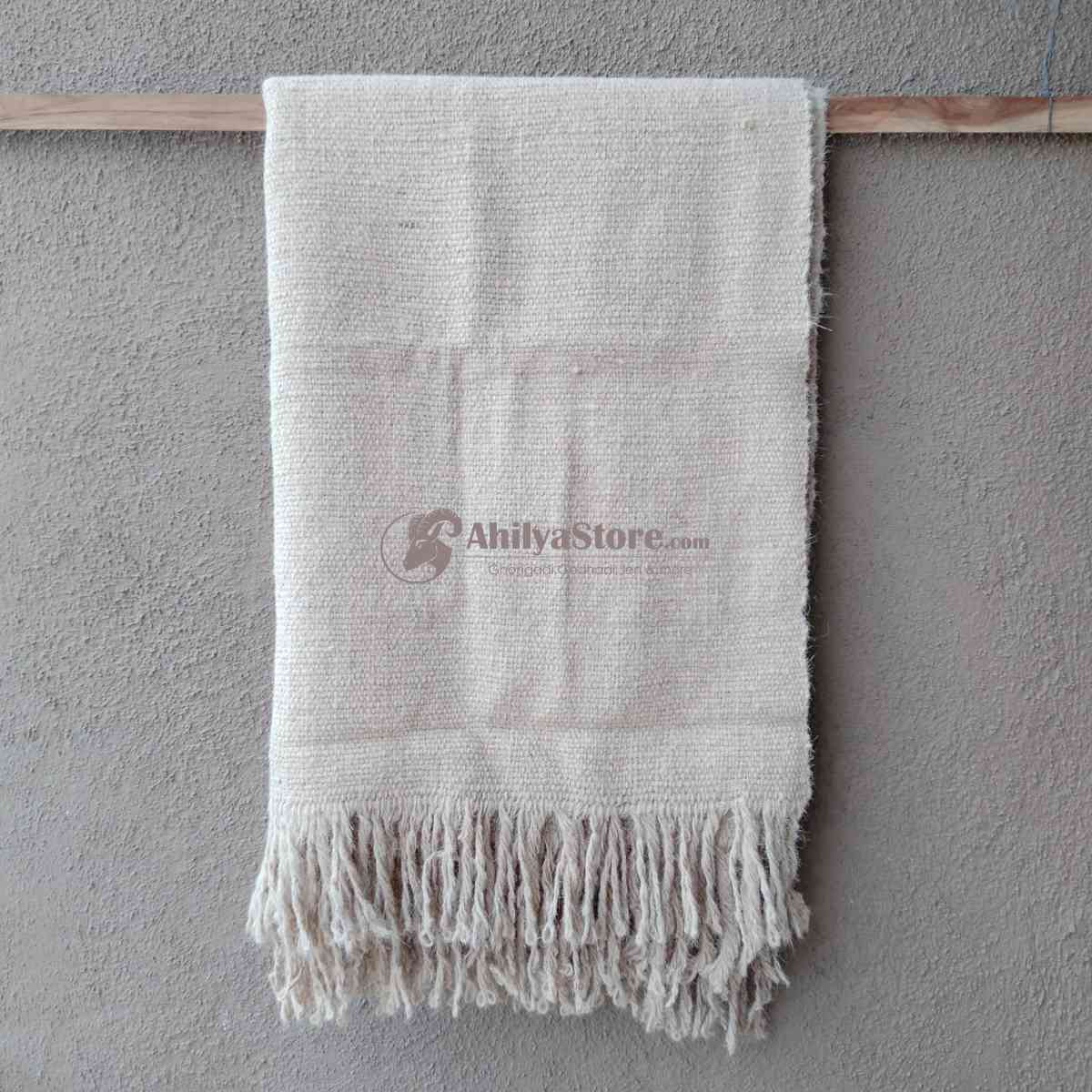
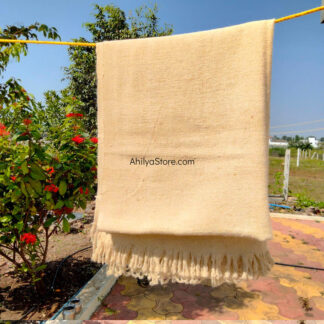 Original Light Weight White Ghongadi(Jawal) | 100% Premium Sheep Wool | 108×48 Inch₹3,000.00
 -
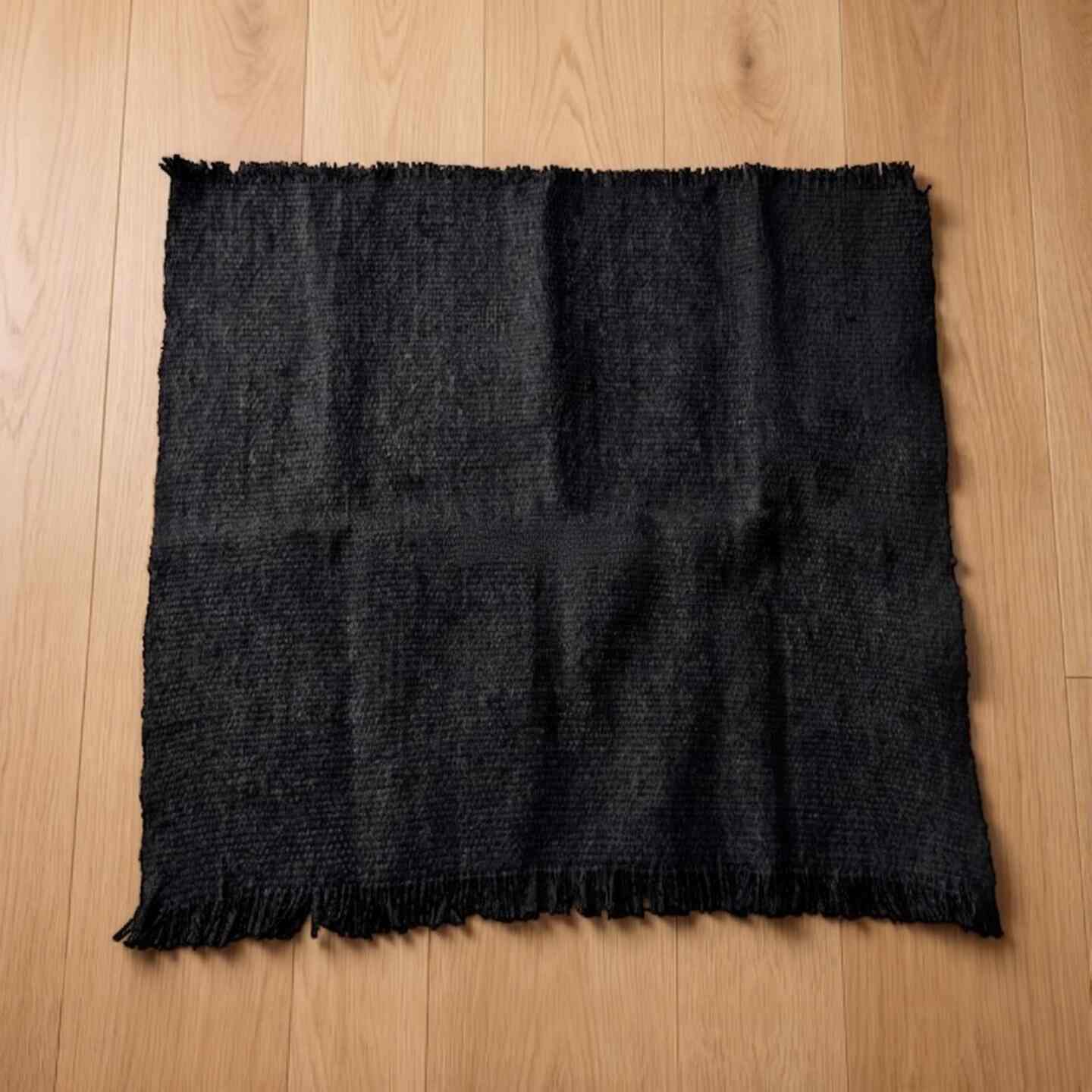
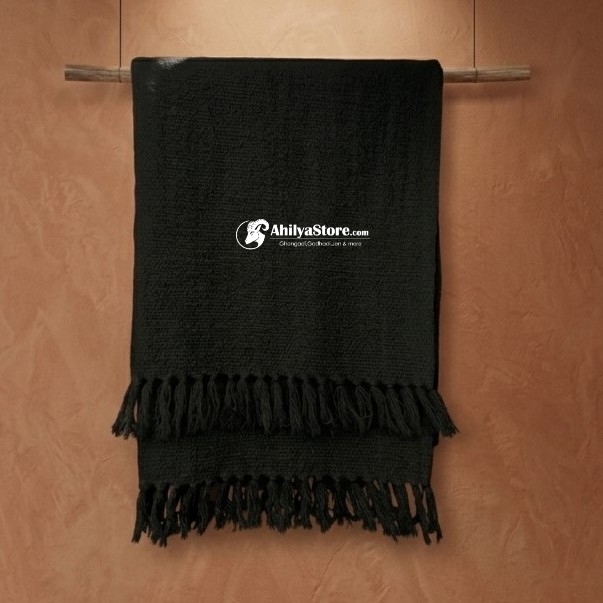
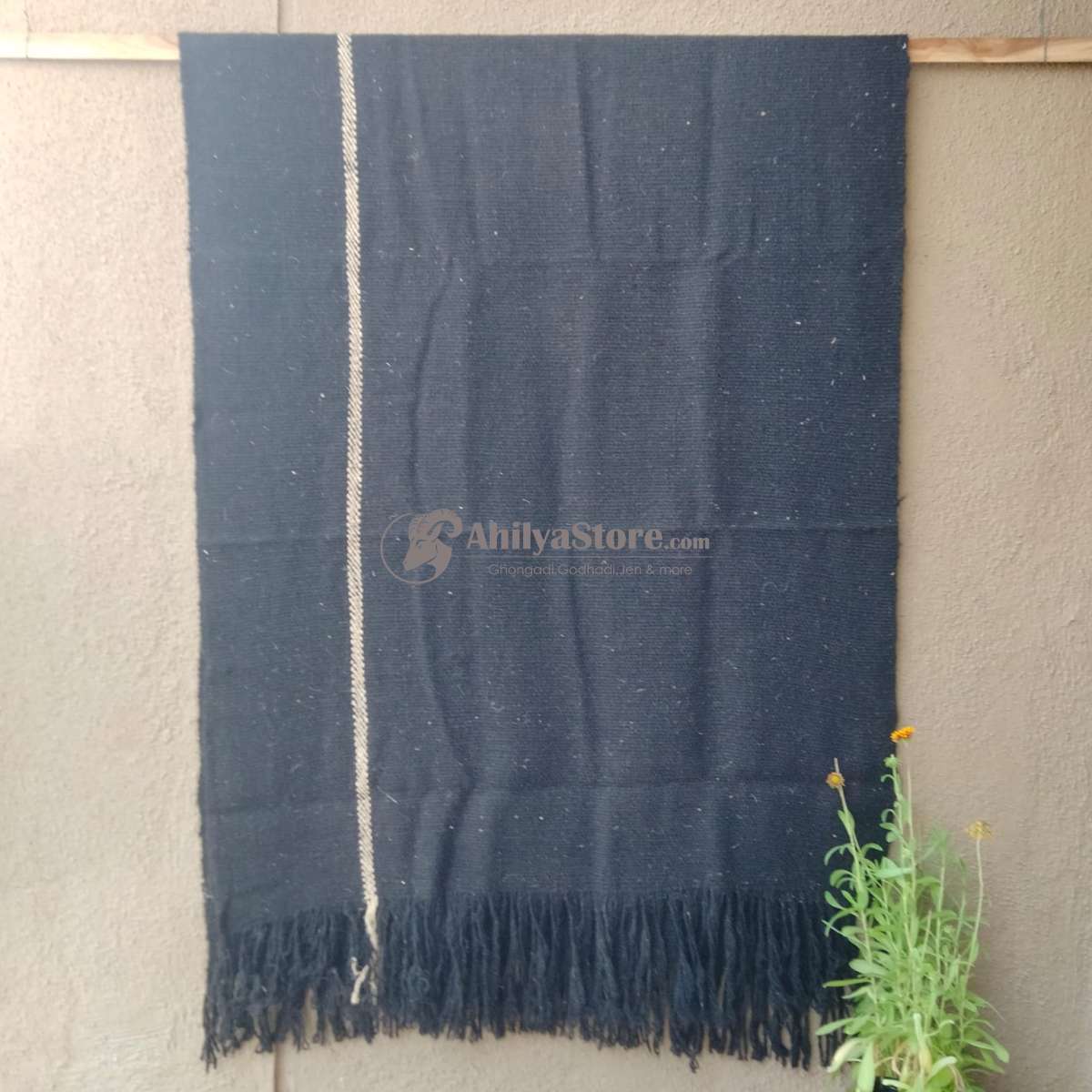
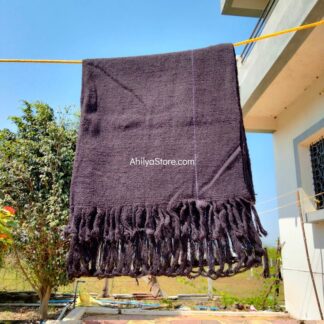 Original Light Weight Black Ghongadi(Jawal) | 100% Premium Sheep Wool | 108×48 Inch₹2,600.00
 -
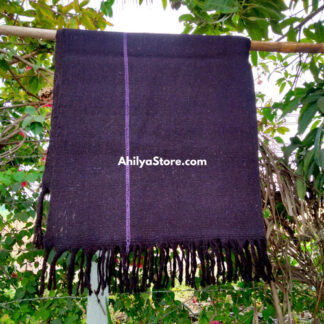 Original Light Weight Black Ghongadi(Jawal) | 100% Premium Sheep Wool | 96×48 Inch₹2,300.00
 -
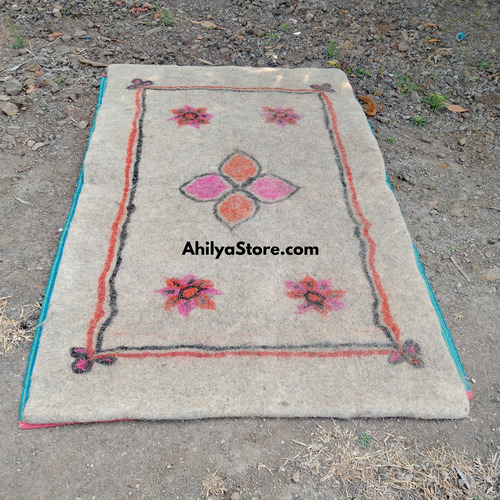
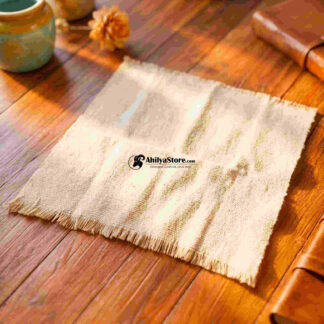 100% Pure Sheep Wool White Meditation Mat | Premium Sheep Wool | 2.5×2.5 Feet₹1,000.00
 -
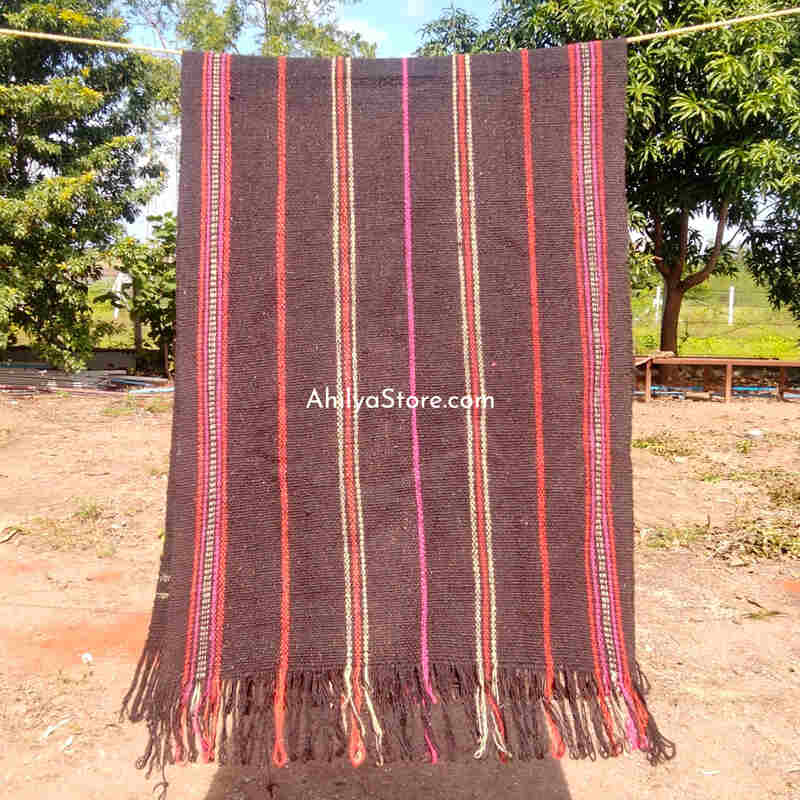
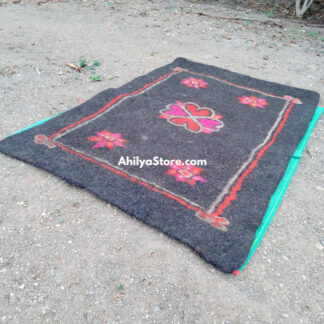 Handmade Heavyweight Black Woolen Jen | Regular Wool | 6×4 Feet₹3,000.00
 -
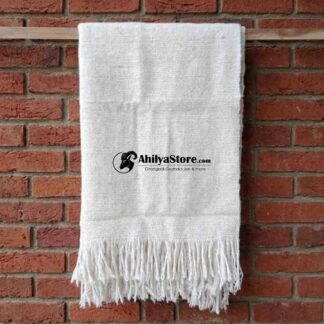 Original Light Weight White Ghongadi(Jawal) | 100% Premium Sheep Wool | 120×42 Inch₹3,000.00
 -
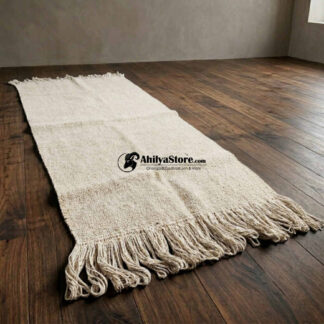 Handmade Pure Sheep Wool White Yoga Mat | 100% Premium Sheep Wool | 6.5×2.5 Feet₹1,500.00
 -
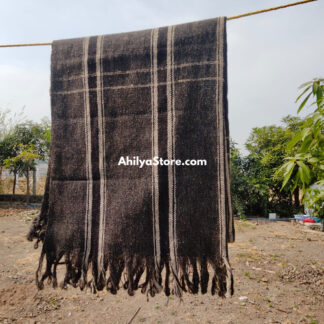 Admapur Grey Ghongadi – 9*4 Feet₹2,600.00
 -
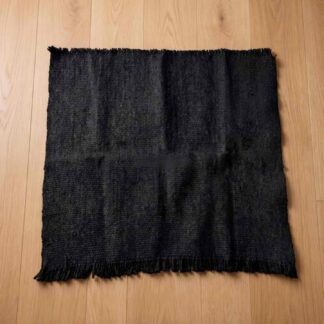 100% Pure Sheep Wool Black Meditation Mat | Premium Sheep Wool | 2.5×2.5 Feet₹1,000.00
 -
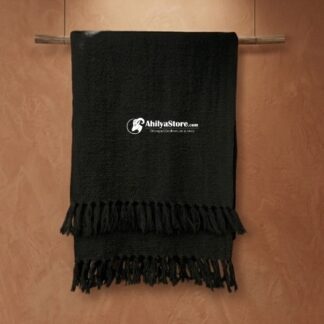 Original Light Weight Black Ghongadi(Jawal) | 100% Premium Sheep Wool | 120×42 Inch₹2,600.00
 -
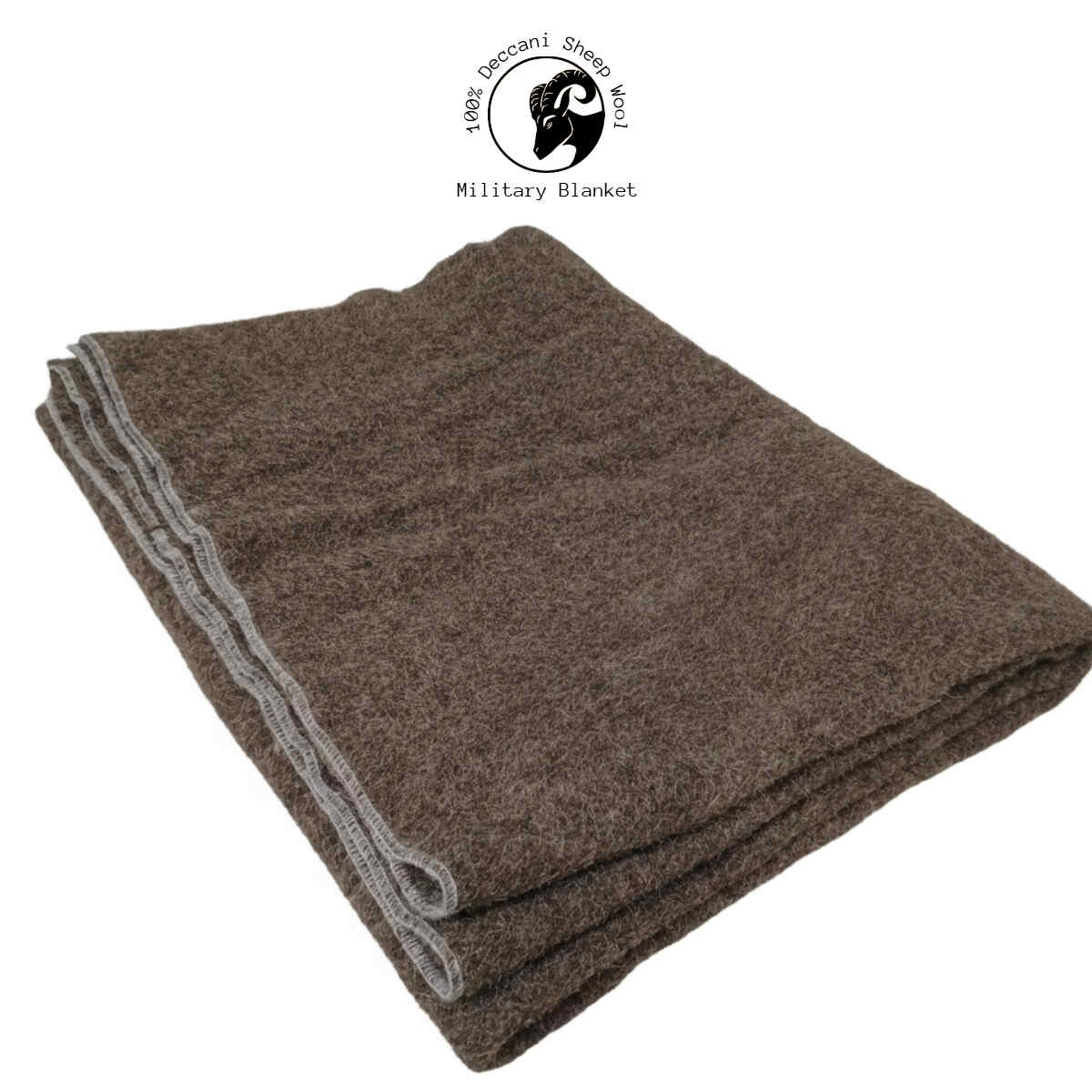
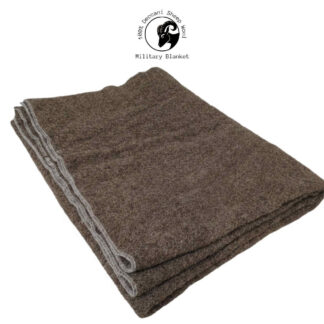 Military Ghongadi Blanket – 7×5 Inch₹3,000.00
 -
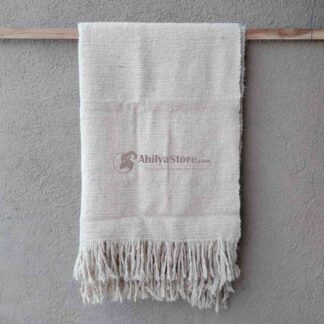 Original Heavy Weight White Ghongadi | Regular Wool | 120×42 Inch₹2,600.00
 -
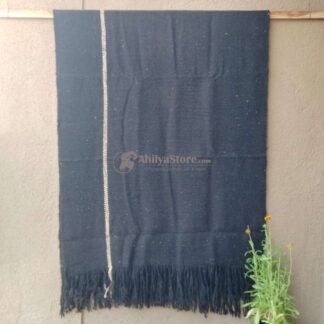 Original Heavy Weight Black Ghongadi | Regular Wool | 120×42 Inch₹2,600.00
 -
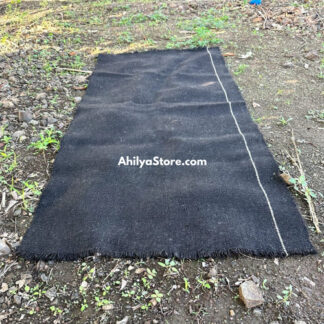 Black Woolen Yogamat₹1,500.00
India is a land of diversity where people of various castes, communities, customs and traditions are dispersed across the landscape of its different states. Maharashtra is one among those beautiful states which has a number of such splendid communities and each of them having its own traditions and customs. Dhangars are one among those communities who have been blessed with an age-long tradition and magnificent culture.
Hence dhangars are generally dispersed all across India, and in Maharashtra they have settled in villages in the western parts. A journey through Western Ghats, through the curves and hairpins of Sahyadri will give an exceptional experience which one should at least experience once in life. The raw and organic essence of Maharashtrian culture can be seen throughout the journey. The geography is immaculately marvelous and the fertility of black soil can be evidently seen on plants, vegetables and trees.
One the way one can see a lot of shepherds herding their cattle, some are travelling from one region to another, some belong to nearby villages and some are at their own field. Once we all were nomads, as in our ancestors; a lost tradition, when people started settling down and started a living life at a place. But now also there are communities like ‘Dhangars’ that follow the same tradition though it isn’t as intact as ancient days.
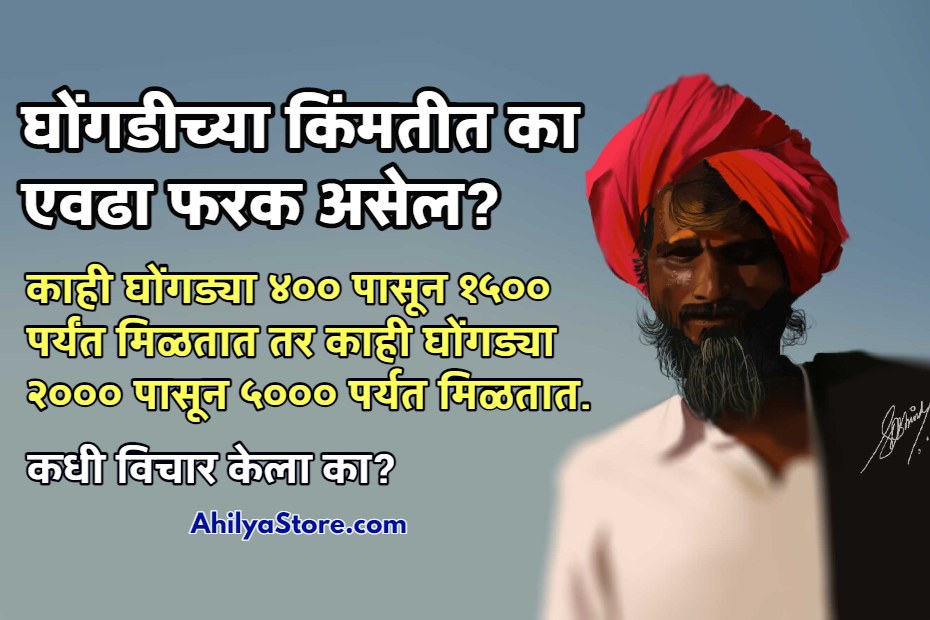
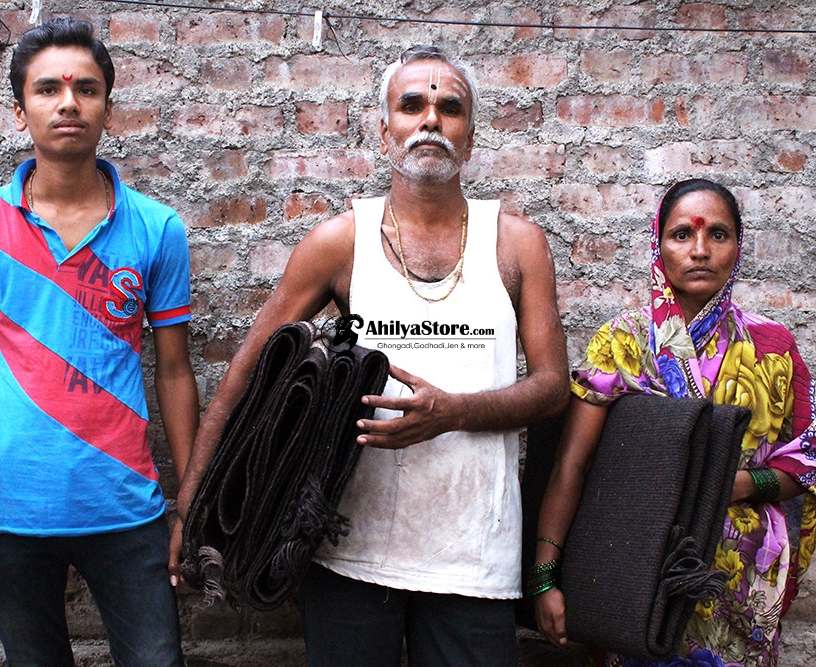
Dhangars are the shepherd community from Maharashtra whose roots are from Karnataka; really long back their ancestors migrated to Maharashtra and settled in different parts of it. The lifestyle of Dhangars is inimitable and impeccable, though the Industrialization and modernization have stolen many components of their age old tradition. One can easily identify a dhangar easily from their attire and the main unavoidable factor is the woolen blanket which is called ‘ghongdi’ and some other factors are their turban called ‘feta’; forehead is smeared in ‘bhandara’ or Turmeric and thick beard and mustache.
In olden days the need of ghongdi; the woolen blanket was extensive as well as inevitable in the life of ‘dhangars’. It used to be the protection from all sorts of climatic changes. It acted as an umbrella during monsoon and a furry protection from the freezing cold winter days. During the darkness of night it acted as a perfect quilt to have a cozy sleeping.
The life of dhangars and the use of ghongdi in their life literally decode the secret of Sanskrit verse from the Upanishad ‘Tatvamassi’. “Tatvamassi” which can be decoded as ‘TaT’ means that , ‘Tvam’ means you and ‘Assi’ means am/is/are; so this one word is a short cut of a sentence ‘That is you’ and in the further explanations Upanishad is saying that, “That” represents the supreme god, that means there is no difference between you and the almighty.
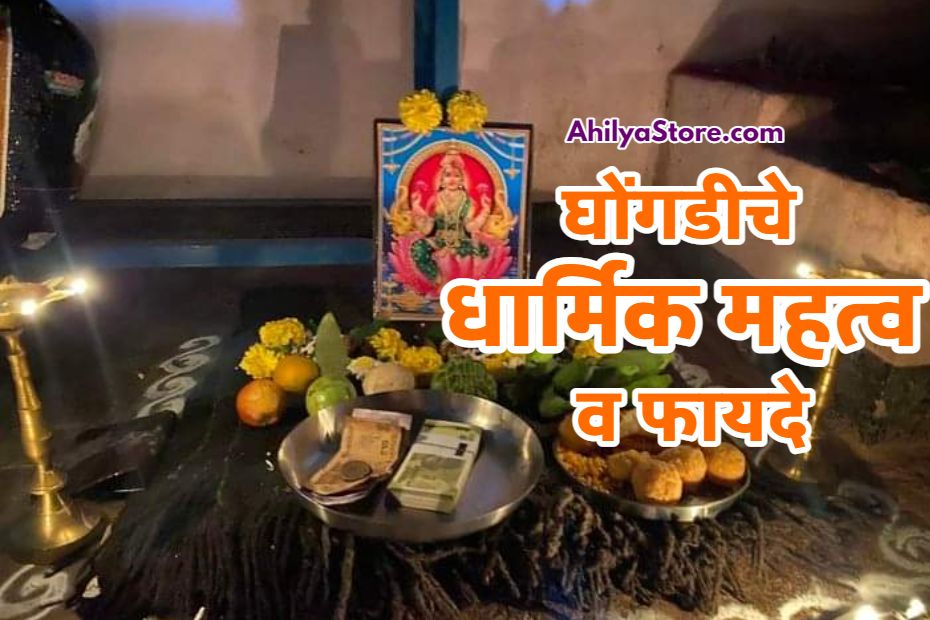
This vedic secret can be seen in practice of the lifestyle of dhangars. They use ghongdi as an inevitable part of their day to day life as well as during the worship of their deities like Khandoba, Biroba, Dhuloba, Siddhanath, Mayappa etc.
History
As described earlier, once we all were shepherds, the story of the woolen blanket ‘ghongdi’ can be as old as that nomadic lifestyle tradition. The regional variation can cause changes in the name of the blanket but the unanimity is it is made of wool, the way of weaving and the design features. Dating back to the history and tracing the tale of shepherds and their woolen blanket, it is not that easy because they never had done written documentation of their history.
There is a Marathi folk singing tradition called ovi, a collection of songs sung in a very rhythmic way. This same tradition of singing is there in dhangars as well called ‘dhangari ovi’ in which they sing the stories, origin, evolution and lifestyle of dhangars; they even sing the heroic songs about their brave ancestors. As mentioned earlier, once everybody was shepherds; the tradition of shepherds and their woolen blankets can be seen in the temple carvings of Hampi and in other Vijayanagara temples.
In Hampi there are temple carvings of shepherds where the shepherd is depicted as herding his cattle, standing with his cattle and sometimes he is protecting himself from rain by covering his head with a blanket. In all these carvings the shepherd is shown with his blanket, either on his shoulder or in his hand or on his head.
The origin of ‘ghongdi’ particularly is not easily traceable because a detailed study of the entire collection of ovi and temple inscriptions and carvings may can give some lead but the real challenging fact about it is, mainly ovis are never written or documented, it is always taught mouth to mouth and generations to generations, there are chances we lost many in the journey of life and there are chances many got added to the collection as well.
One day or one week, not even one year is enough to study about them. The legends from the villagers depicting the story about the origin of ghongdi are very interesting. Long long years ago, there was a dhangar family and they had two male siblings. During the time of property partition, one sheep was left because the number of cattle came in odd numbers. There was an argument between the two brothers and both stated that the sheep should be theirs.
After really long arguments and verbal fights they came to a solution that the elder brother will own the sheep and the wool from the sheep will go to the younger one and peace and peace everywhere, everyone is happy. The elder started supplying sheep wool to the younger one and he started weaving ghongdi. The clan emerged from which the younger brother took it as their way of earning bread and butter and they came to be known as ‘Sangar’, that’s how the sub caste of dhangar, sangar came into existence.
Tools and Raw Materials
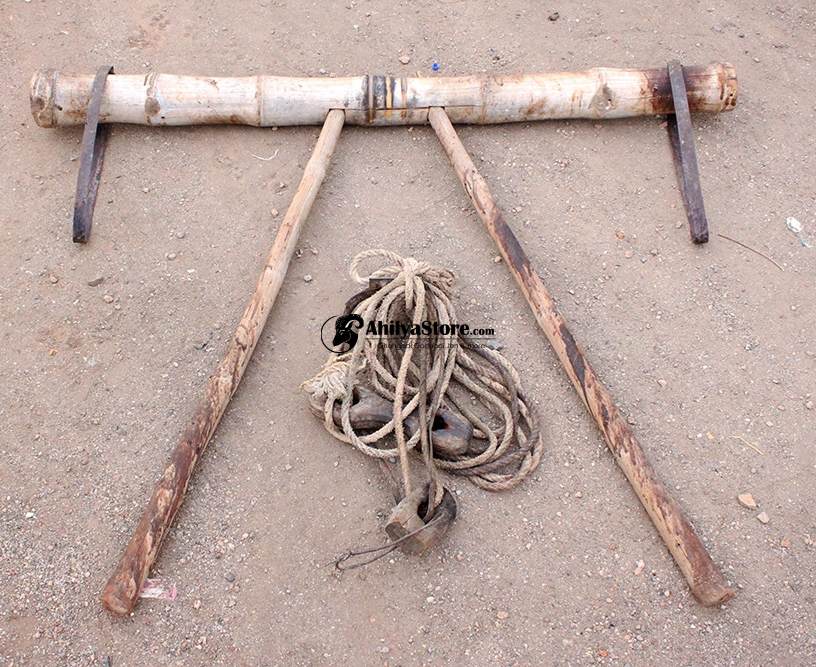
The tools that are required for the making of Ghongdi:
- Wool – The raw wool is used for making yarns and later woven into blanket form.
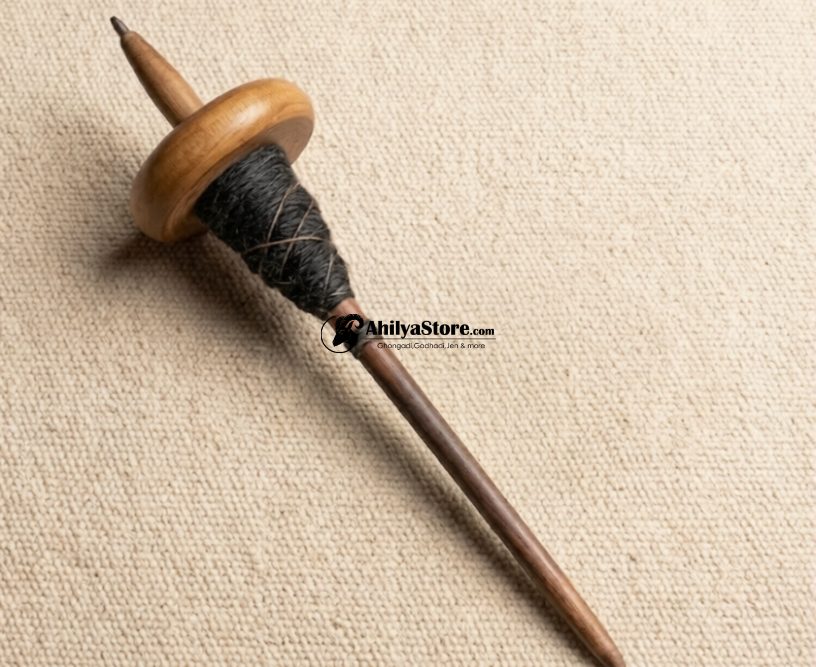
- Bhingari – A Bhingari is a traditional hand-held tool used to hand-spun yarn.
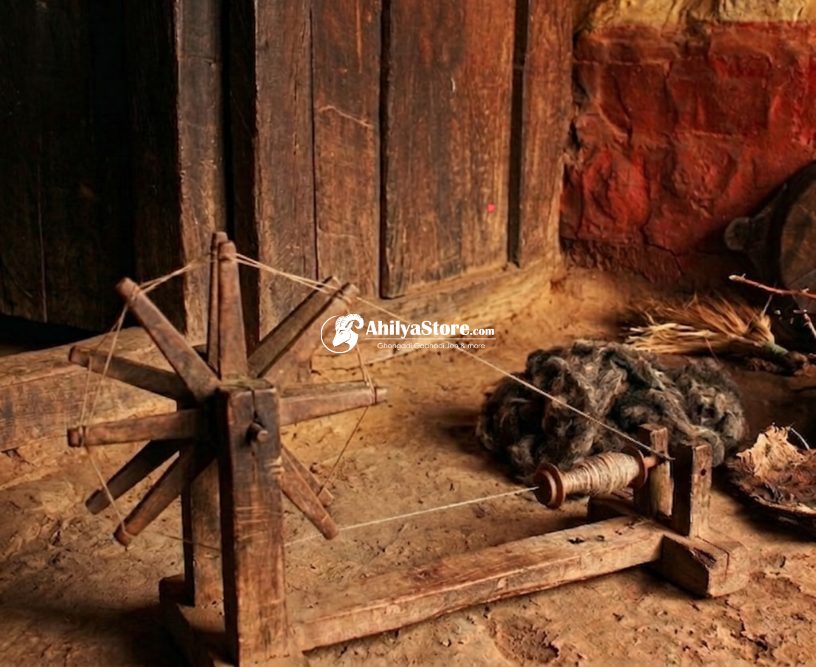
- Charkha – It is the iconic wooden spinning wheel used to transform cleaned and carded wool fibers into strong, hand-spun yarn.
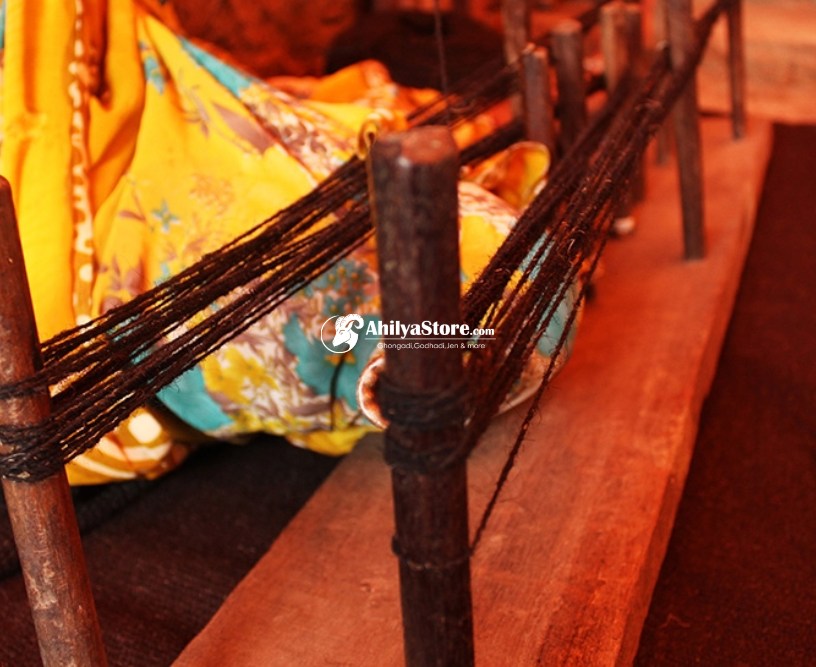
- Tanari – A composition of a plank and vertically fixed wooden rod which is used for the warping process.
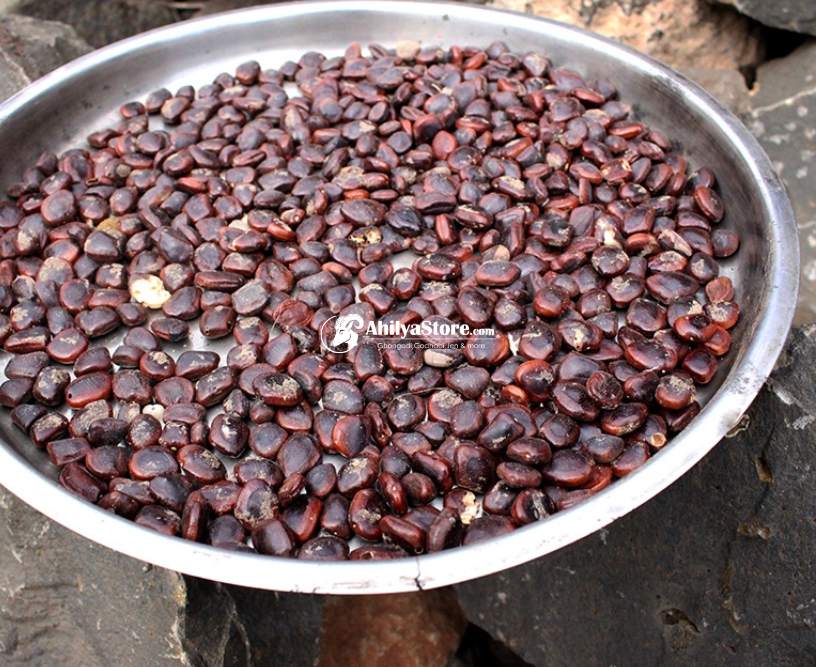
- Chinchoka – The tamarind seeds which are used for making starch.
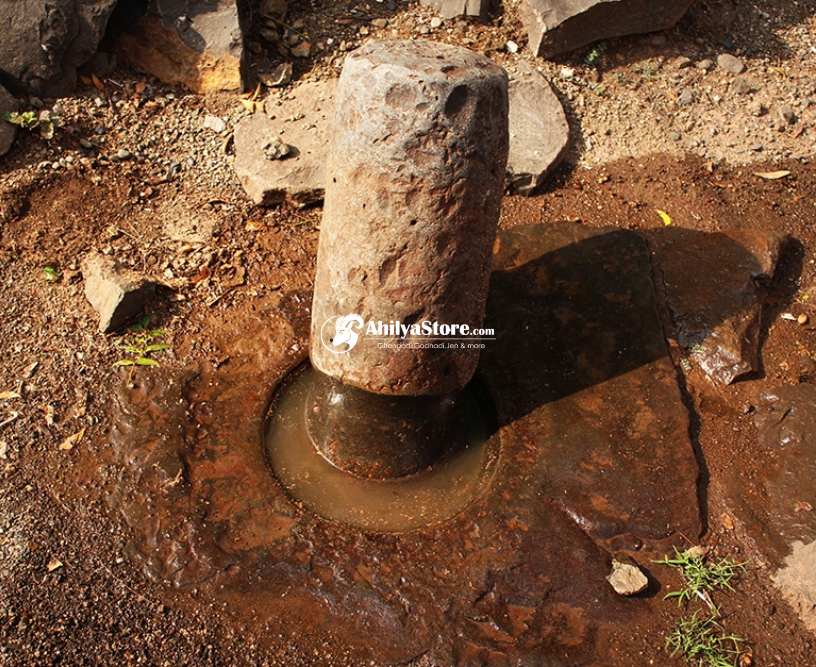
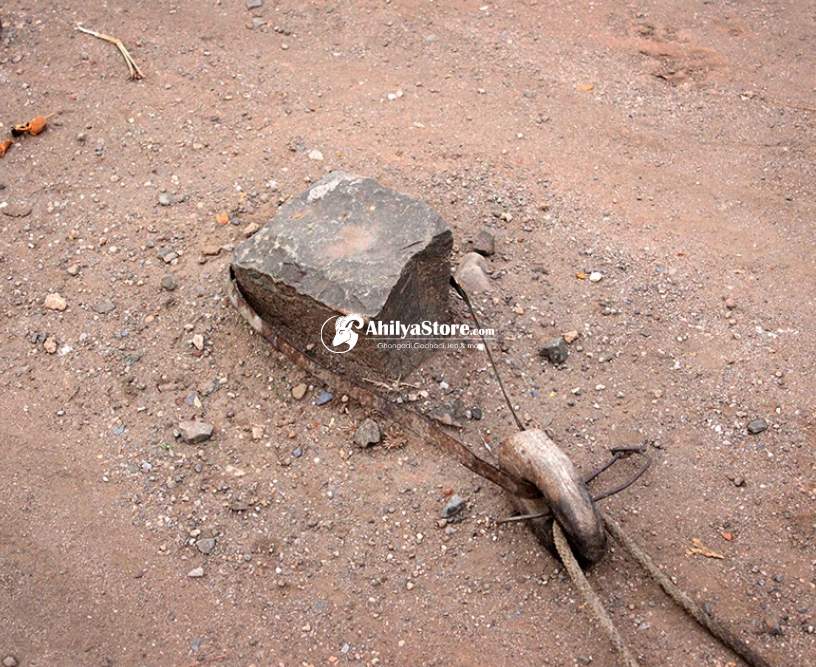
- Ghaana – A huge stone grinder which is used for grinding tamarind seeds for making starch.
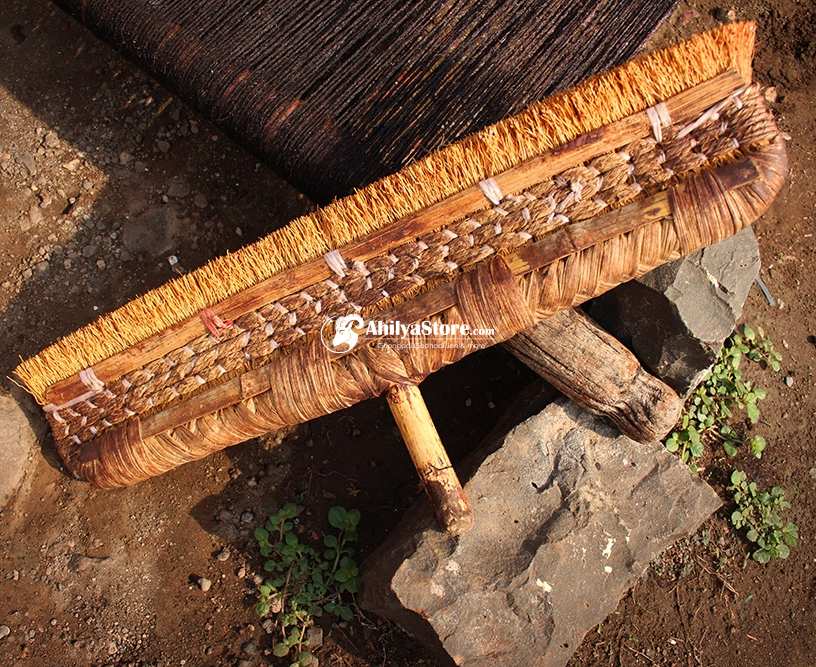
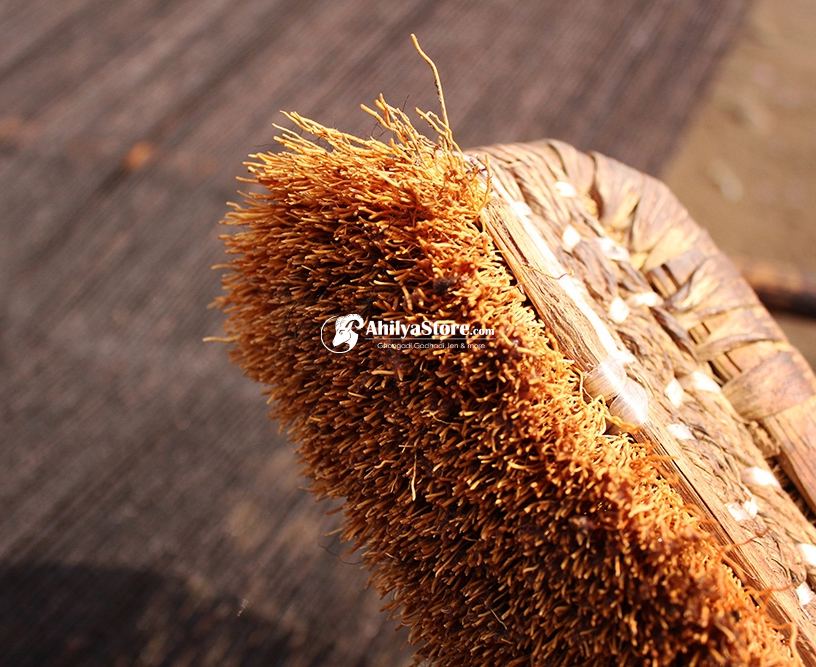
- Kochi – Beautifully handmade brush made out of grassroots and wood which is used for brushing the yarns during the warping process.
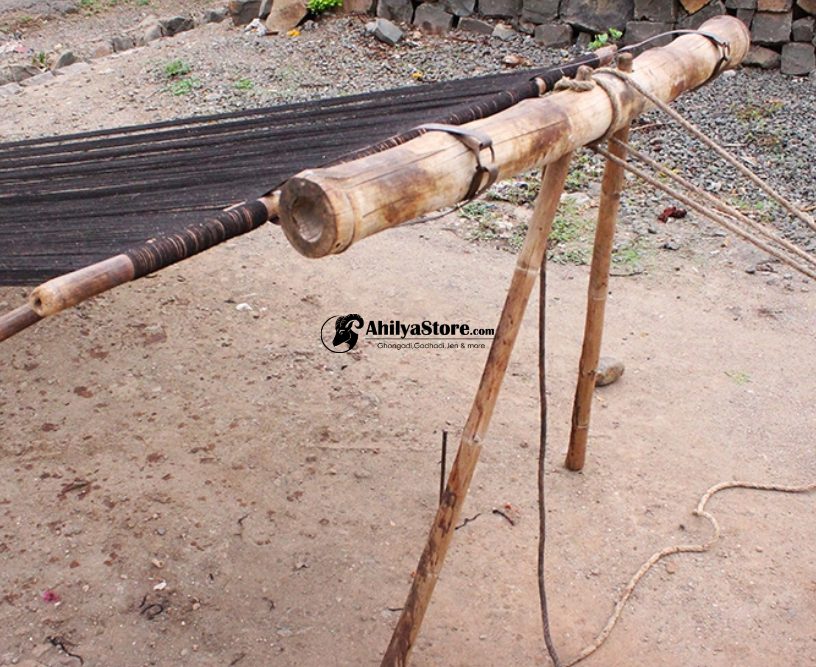
- Basti – A component of warping frame.
- Baila – A component of warping frame.
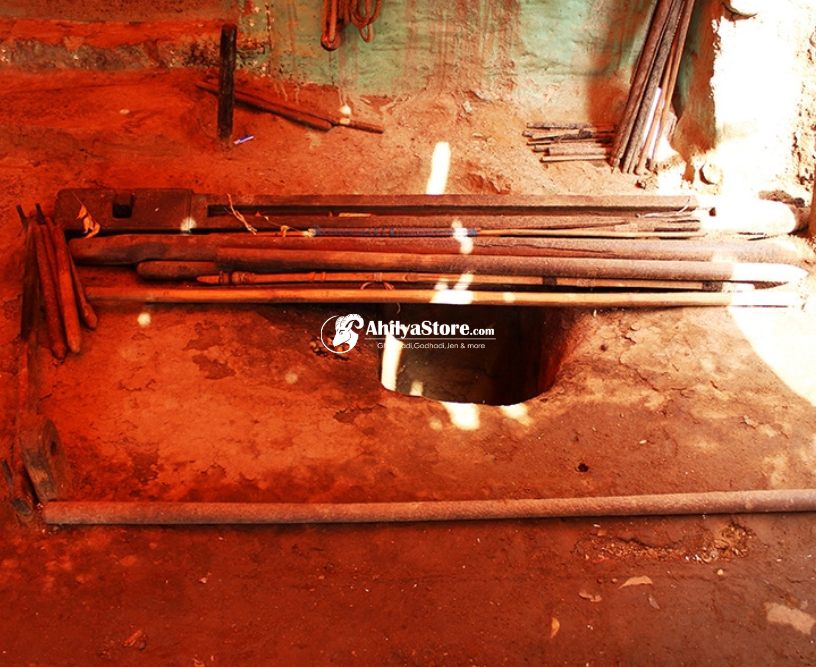
- Hath Maag – A very oldest model of pit loom which is used for weaving ghongdi.
Making Process
Sourcing and Carding:
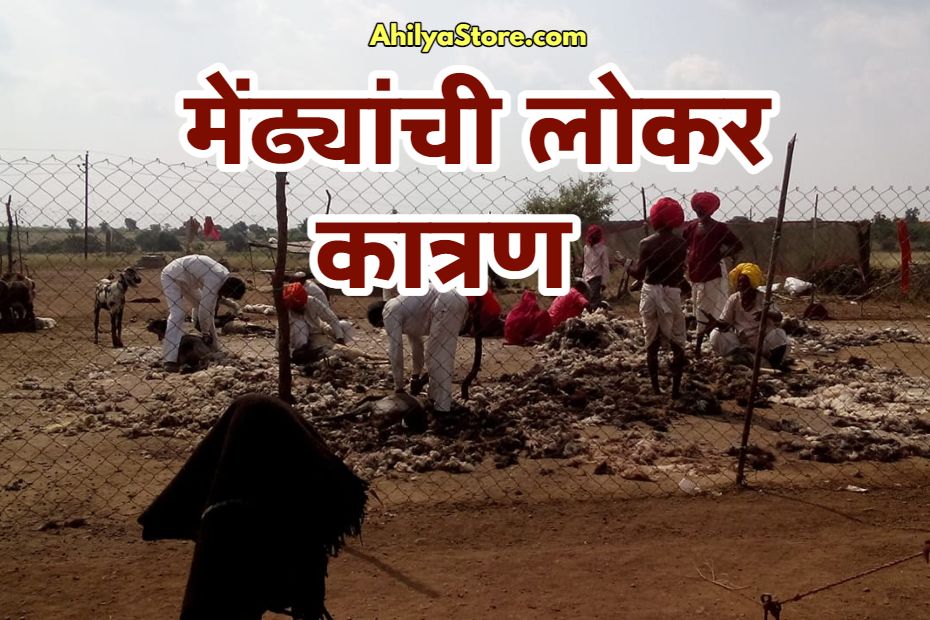
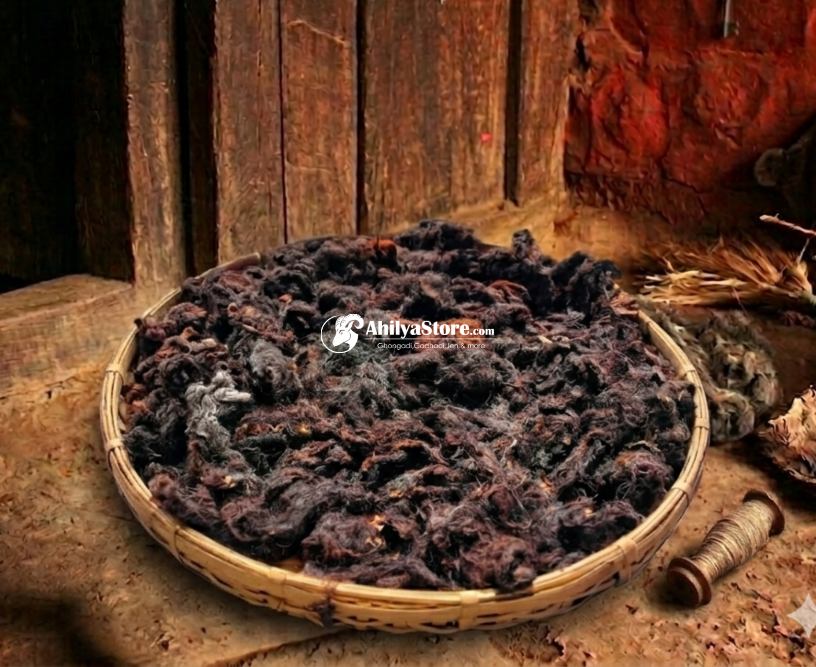
The first crucial step is gathering and preparing the raw material. Raw, unspun sheep fleece (wool) is spread out in large, rustic bamboo trays for drying and sorting. Emphasizes the natural black, white and grey color of the wool, which is a key characteristic of Ghongadi. This natural fiber is resilient and forms the foundation of the textile.
The matted, raw fleece must be “opened” and straightened before it can be spun. This is the process of carding. An elderly artisan sits with a large pile of dark, raw wool and performs this manual task. She uses an instrument called “Dhanu”(Bow) in the local language.
Yarn Making:
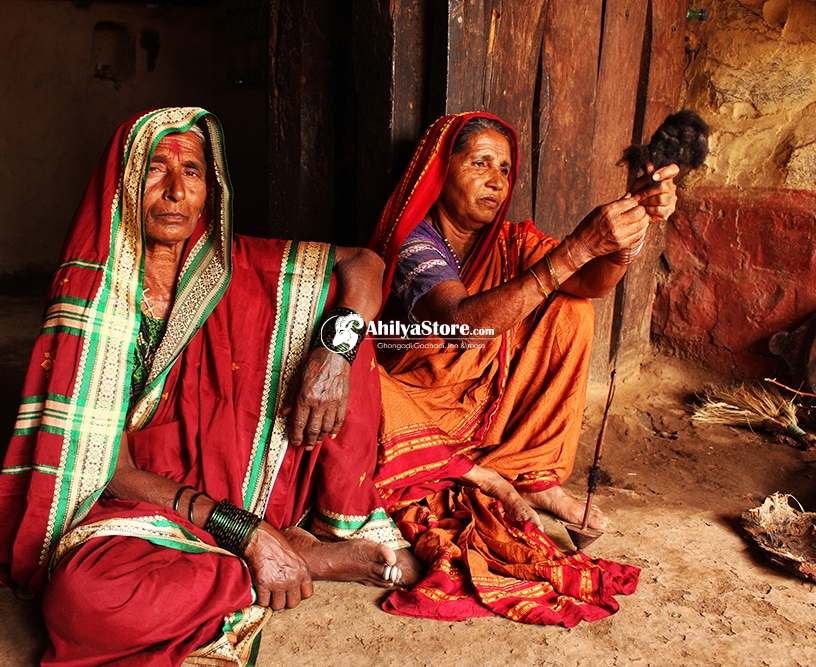
The rustic background of her home, mud plastered wall and woody smoky aroma from her Kitchen, Gaura Bai Kolekar, a graceful and loving aaji (Grandma) adorned herself in a beautiful Ilkal nauvari sari and bormala, was sitting on the floor. The enchanting smile on her face was absolutely welcoming. She is one among those few people who are capable of doing hand spinning.
The modernization and industrialization has stolen the authenticity and organic features of the dhangar community and polluted their affluent culture and tradition as well. Now handspun woolen yarns are rarely made. There is a small set up for spinning in a nearby village. For an instant aaji took a quick journey to her memory lane and explained how it used to be in olden days; each household women used to spin woolen yarns at their homes.
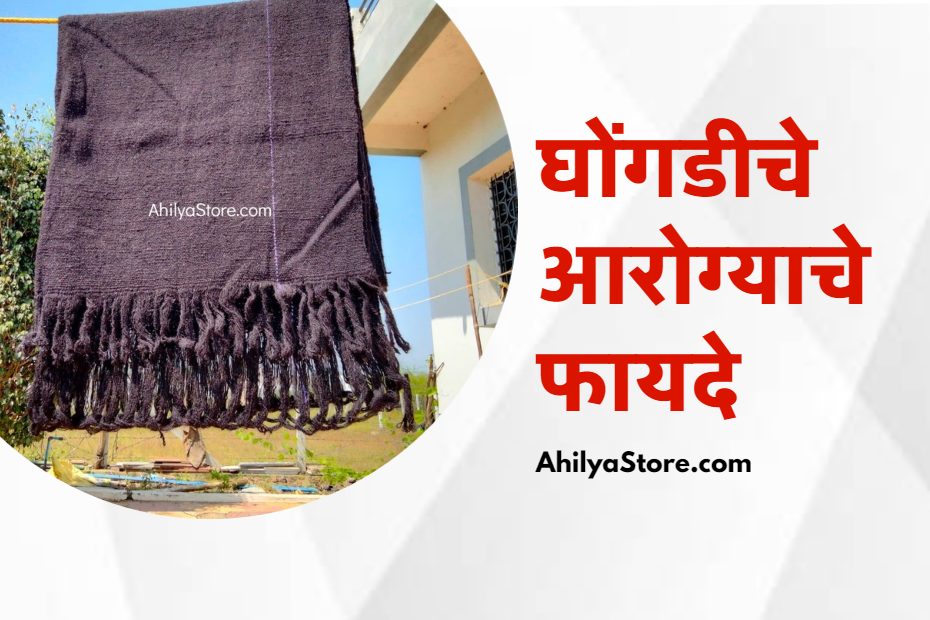
The process of yarn making is very simple and yet time consuming and highly skilled hands are needed to make even yarns. The woolen fibers are trimmed from the cattle and directly used for making yarn without any chemical treatment and processing. It is believed that the raw wool is having some medicinal properties which can prevent health hazards. There are two methods of spinning yarn; one is with the help of a “charka” and the other one with the help of a simple wooden tool called “bhingari” in local language.
Aaji started making yarn by softening the fibers by hand, she removed the tangled fibers they held on left hand and pulled some fiber forward, and subsequently she twisted them and attached them to her spinning tool and slowly continued twisting the spinning tool. It is an astounding and captivating visual of making yarn. Once enough yarn is ready, they are taken to the weavers.
Warping:
The beauty of Indian crafts is the gender equality, both men and women are engaged in making respectively and it can be seen in the whole process of ghongdi making also. Once the bundle of yarn is arrived at the weavers place then the warping takes place. Usually the required warp yarn is made by the female member of the family with the help of wooden equipment called Taanari and Purani.
Tanari is wooden equipment which has a plank as base and eleven wooden sticks fixed on it. The hand spun yarn is winded on Taanari with the help of a wooden pipe called Purani. Once the required amount of yarn is winded it is taken out for warping. Warping is a tedious process which consumes a good amount of time. The warping takes place on a temporary frame outdoors.
Each and every yarn is separately observed and knots are removed. The whole process of warping is known as ‘Pajni’. Once the yarns are properly set on the wooden frame then they are starched well with starch made out of tamarind seed. The beauty of ghongdi is its organic way of making, there is not even a single procedure where machineries are involved; even now also artisans make starch at home by grinding the tamarind seeds manually though it is a tedious process.
The process of making starch starts with collecting seeds and splitting them into pieces. Then the broken pieces are soaked in water overnight and next day it is grinded in a giant grinding stone. This consumes a lot of energy and time. The grinding goes over and over until the paste will obtain a pasty consistency which is not so thick and thin or nor watery. After the grinding process, the paste is boiled well on wood fire on a slow flame for around 12 hours.
Once the starch is boiled well and made into a required consistency it is kept for cooling down and the later on is gently applied on the warp yarns. Artisans make sure that the starch is applied evenly on each yarn, and once the application is done a handmade comb made of some grass root is used for combing the yarns. This whole process of warping consumes plenty of time and energy of an artist. Then the warp is kept for drying under the sun.
In the usual pit loom or in frame loom, there are ready made heddles whereas in ghongdi weaving the heddles is made manually with a very thick thread. This process is fascinating and interesting. The artisan inserts a wooden rod into the warp dividing them into up and down sets of yarns and then a thin iron rod is kept on top parallel to the wooden rod. Later on a long string of thick thread is braided by capturing the whole three components, the warp yarns, the iron rod as well as the wooden rod. Once the process of making heddles is done, the warp is rolled out and taken for weaving.
Weaving:
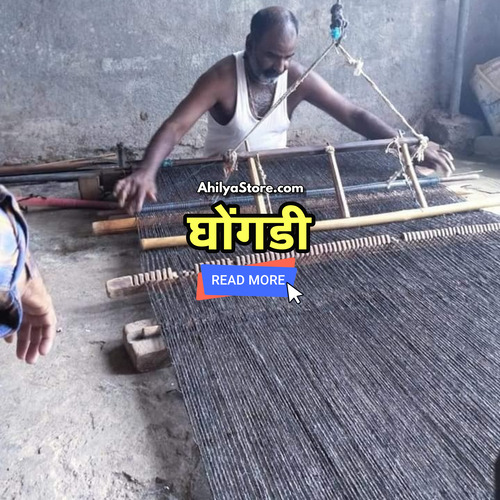
The weaving of ghongdi takes place at a very simple and oldest model of pit loom which is called ‘Maag’ in local language. The loom doesn’t have any features of shuttle loom, no frames nor the use of wooden shuttle. Every component of the loom is separable and during the time of weaving process it is attached to each other.
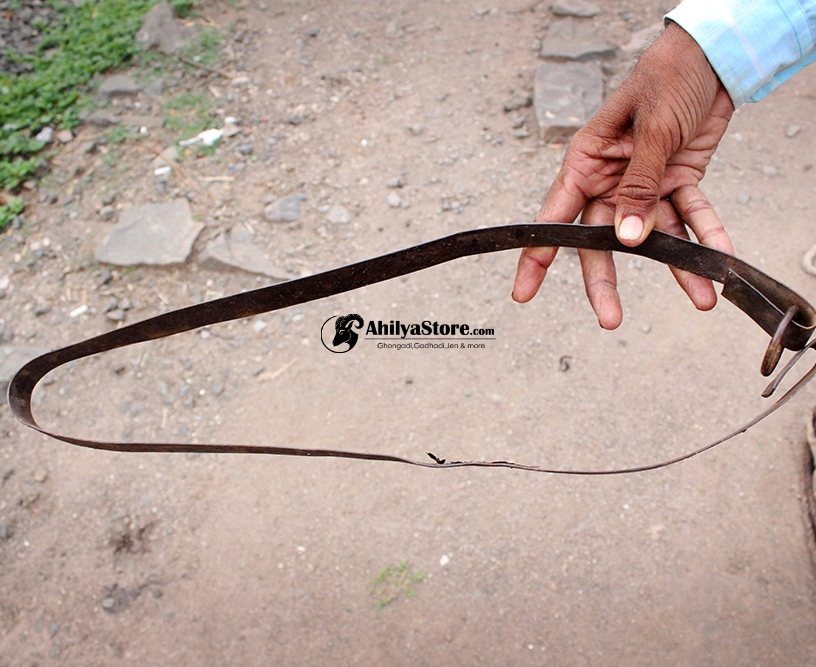
The loom setting starts with spreading the warp and attaching it to the cloth beam which is called ‘Turai’ in regional language. The warp beam is different from a usual frame loom, here the warp yarns are spread on a wooden road and this is attached to a bow shaped tool called ‘Tunku’. Tunku is tied on a wooden pillar with a strong rope and the rope is connected to a small wooden stick near the cloth beam which is called ‘hath khuta’ which will be used by the weaver later on when the enough amount of fabric is woven and it should be rolled for further weaving.
Once the rope is tied tightly on hath khunta, the weaver starts his work on setting the other parts of the loom. Understanding the process of setting this loom is not that easy though it appears simple and doesn’t appear as complicated as a shuttle loom. The woven wefts are beaten with the help of a wooden rod, and then come the heddles which are known as ‘awai phani’ in regional language. It is accompanied with a thick wooden road.
There is a component called ‘Jatar’ an inverted ‘T’ shaped tool which is connected to the wai pani(heddles). Jatar, the invented T shaped tool is having a twine attached to it called ‘Tangani’; when the weaver pulls ‘Tangani’, Jatar the inverted T shaped tool lifts the heddles which causes up and down movements of warp yarns. There is one component which appears like a huge wooden comb and it is called ‘Neeri’ in regional language.
The components of ghongdi weaving loom ends with Aadsar and Betki which can be compared to whip beams. Once the loom is set, weavers commence the initial weaving of approximately an inch and apply starch to make the weave firm. Once the weave is satisfied with the woven pattern, he continues the further weaving of ghongdi.
The weaving can be finished within a day if there is no obstruction and the whole process of making ghongdi can take approximately five to six days and sometimes it can even take more than that also.
Latest Products

All Categories




About AhilyaStore.com
Ahilya Store Is Indeed One Of The Most Trusted And Specialized Platforms For Buying An Authentic Handmade Ghongadi Online, Especially If You Are Looking For A Deep Connection To Indian Legacy. We Directly Work With Artisan And Women Self-help Groups(SHGs). A Proudly Supported Local Artisan And Self Woman Group. No Middle Man. Major Revenue Shared With Them.
In 2021, We Met With Artisans From Satara, Sangli And Solapur Districts Of Maharashtra And Started Selling Authentic, Traditional Satara Weaving Style Mandeshi Ghongadi And Dhangari Jen Online.
In 2022, Artisans From Kolhapur, Dhule, And Nandurbar District Of Maharashtra Joined Us And Started Selling The Heaviest, Most Rugged “Shepherd Kolhapuri Heavyweight Style” And Rainy Ghongadi.
In 2024, Artisans From Karnataka, And Telangana Of India Are Working With Us. And Then Started Selling A Wider Variety Of Karnataka, Telangana Style Kambli Blanket And Military Gongadi Blankets Online.
In 2026, Ahilyadevi Women’s Self-help Groups Of Jalna And Udgir Of Maharashtra Joined Us And In Large Quantities Woolen Thread Began To Be Produced. The Purpose Is To Support Rural Women Entrepreneurs And SHG Group.
In The Future, We Would Like To Work With Artisans From Different States And We Are Making Efforts For That. This Is A Small And Sweet Story Of Ahilyastore.com. We Are A Non-government Organization. We Are Based In Taradgaon (Satara). This Is Our Head-place While We Have Retail Stores In Pune And Mumbai(Mahim & Kamothe). You Can Visit The Store And Feel The Ghongadi Before Buying.
Now Different Types Of Ghongadi Are Available For Online And Offline Sale Like Premium “Javal” Ghongadi, Light Weight And Heavy Weight Ghongadi And Dhangari Ghongadi-Jen, Other Sheep Wool Products Like Woolen Yoga Mat, Meditation Mat And Pooja & Prayer Mat Are Also Available.
We Deliver Ghongadi Across The India And Internationally. We Offer Free Shipping And Cod Payment Across India, Which Is Great For First-time Buyers Who Are Hesitant About Delivery. They Can Make The Order Through Amazon And Flipkart Also.
Experience The Warmth Of Tradition. Add The Ahilyastore.com Handmade Woolen Ghongadi To Your Cart Today!
If Any Douts, Feel to Free Contact Us On Email Which Is [email protected].
Ahilya Store Is A Part Of AHILYA GROUP.
AhilyaStore App

App वरून कशी Order करण्याची हे पहा.
Download AhilyaStore Android App